


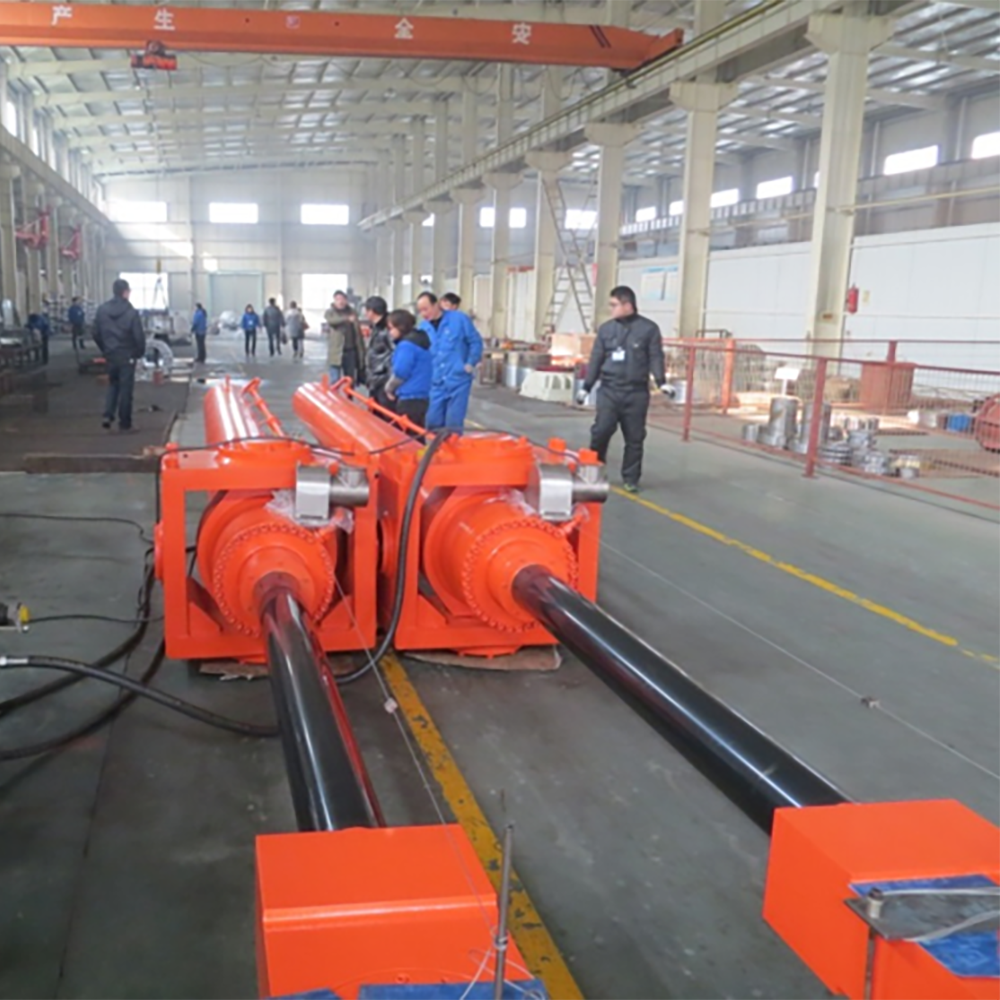
A rod wiper keeps external debris from being carried through the gland as the rod retracts. It works with the rod seal and bearing, but does not replace them. A wiper that suits indoor machinery may perform poorly in steel scale, dredging sediment or salt spray.
The wiper is part of a system
On a steel line, scale may be sharp and dry; on a dredger it may be wet grit; on a marine crane it may be salt and wash water. Those are different exclusion problems. A wiper removes debris from the returning rod, while the rod seal retains hydraulic oil and the guide supports side load. Select the wiper profile and material for the actual contaminant, rod coating and operating speed. Its outside fit also matters, because dirt can enter around the wiper if the housing fit is poor.
Parker’s seal guidance describes wiper profiles that exclude dust, sand and moisture, while its O-ring handbook notes the abrasive damage that dirty rods can cause. Specify the actual contaminant, rod finish, movement speed and expected water exposure. Also check how the wiper is retained and whether packed debris can be cleared during maintenance. An aggressive lip may strip too much lubricating oil film or wear the rod surface; final selection should follow the seal maker’s geometry and material recommendations.
More scraping is not always better
A very aggressive lip may leave too little lubricating film on the moving rod, increase friction or wear a coating. Conversely, a loose or damaged lip lets particles reach the seal and bearing. The gland stack can include a buffer seal, primary rod seal and wiper, each with a different job. Parker’s O-ring handbook also warns about a pressure trap between two sealing lips. The detailed arrangement should come from the seal supplier’s recommended groove and venting design rather than from mixing individual components that fit dimensionally.
A dredger-service example
A dredger spud cylinder may collect wet sediment on an exposed rod, then retract that surface repeatedly through the gland. A close-fitting scraper can reduce ingress, but grit trapped behind a damaged lip may score the coating. A field inspection should identify whether the debris is arriving from splash, deck cleaning or a damaged protective boot. Record where the rod remains exposed when the spud is parked. That parked position can dominate corrosion and contamination risk even if the operating cycles are few. The best change may combine a suitable wiper with better shielding and washdown practice.
Inspect the failed parts as evidence
Before changing a kit, photograph where debris collected and which side of the rod shows scoring. Inspect the full exposed stroke for pits, scratches and coating loss; a new wiper cannot restore a damaged surface. Check whether shields, washdown practice or a different rod orientation could reduce contamination before it reaches the gland. The buyer should ask for material identification, groove drawing, compatibility with the rod finish and an inspection interval suited to the environment.
Checks to put on the drawing or test plan
- Identify the contaminant and whether it is dry, wet, sharp or adhesive.
- Inspect the rod for scoring and corrosion before changing only the wiper.
- Verify the gland space, seal stack and maintenance access on the drawing.
Failure mode to avoid: Adding a second sealing lip without reviewing trapped pressure between seals can make leakage and wear worse.
Information to request before approval
- Rod diameter, finish and coating.
- Environment photographs and cleaning chemicals.
- Existing gland drawing and failed parts.
For a related explanation, see rod-coating selection.
Referencias técnicas: Parker O-Ring Handbook; Parker wiper profile guidance. The cited manuals and product data describe their makers’ equipment; this article is independent engineering guidance and does not assign their ratings to Yongjian products.