


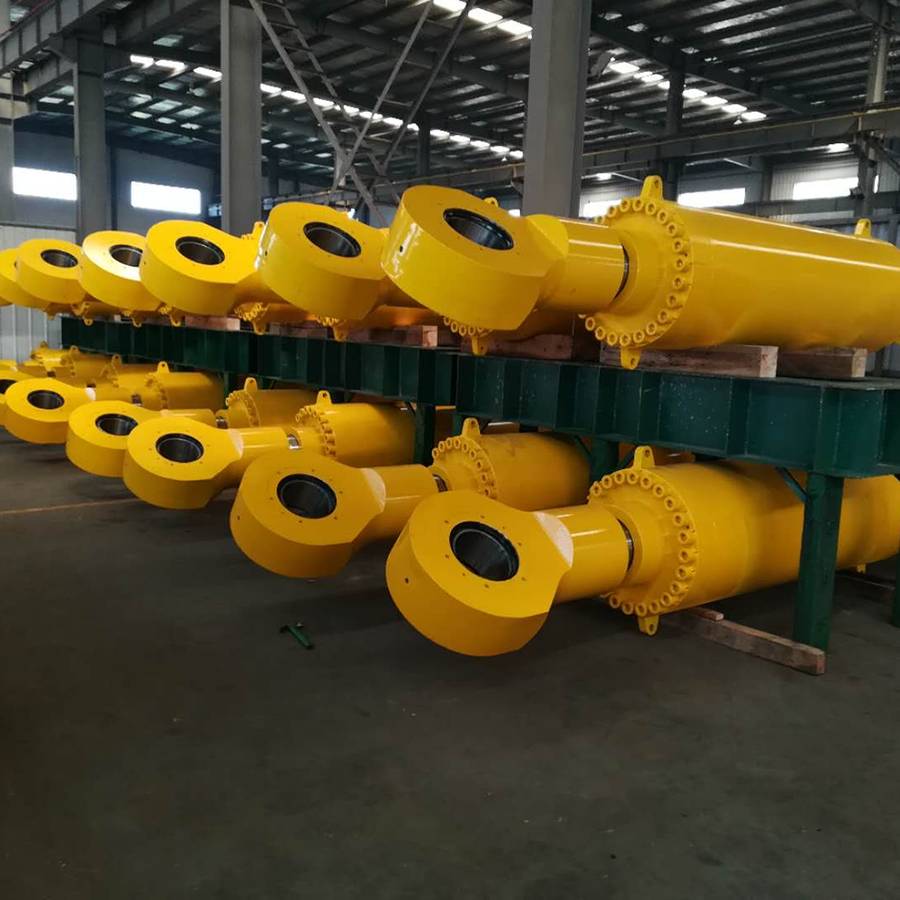
An old cylinder drawing may show dimensions that fit, yet omit later changes to seals, ports, sensors or rod coating. For a replacement order, the first task is establishing which revision is actually installed and what problem the new cylinder must solve.
A drawing may describe a previous machine
Replacement inquiries often arrive with a scan that shows bore, stroke and two mounting dimensions. It may not include a later change to the rod-end thread, port position, sensor type or coating. Start with the installed cylinder’s nameplate and serial record. Compare physical interfaces on the machine with the latest approved drawing and note each difference as a measured observation, not as an automatic design change. An old hand-written repair note is useful evidence but should not silently override an engineering revision.
Parker’s cylinder specification resources emphasize dimensions, mounting, temperature and duty as connected design inputs. Compare the drawing with the cylinder nameplate, previous repair records and measurements taken from the machine. Confirm closed and open pin centers, port orientation, sensor connectors and clearance to nearby parts. Record any field modification separately and seek engineering approval before incorporating it. If the old cylinder failed prematurely, identify whether machine alignment, contamination or duty changed; simply copying the old part may reproduce the problem.
Capture the interfaces that stop installation
Measure closed and extended pin centers, body envelope, bracket spacing, pin diameters, port clocking, hose connection type and sensor connector. Photograph nearby obstructions at both travel ends. Identify any wear or deformation before taking dimensions; a damaged pin hole can misrepresent the intended fit. If a replacement is being redesigned to address a failure, separate the geometry needed for interchangeability from the change proposed to solve the failure. This lets reviewers see what is intentionally different.
A legacy lock-gate replacement
A lock-gate cylinder has a decades-old drawing but no current CAD model. A replacement built only from the drawing may fit the mounting pins yet put its pressure ports against a new handrail added during a later plant modification. Survey the installed equipment and record hose bends, sensor cable routes and removal space before releasing the purchase drawing. If the rod coating or seal material is being upgraded, show that as a controlled revision while preserving the verified interface dimensions. The new serial number and drawing revision should be entered in the gate maintenance record at installation.
Approve and test the new revision
The purchase drawing should carry a revision, material and coating notes, seals and fluid, sensor interface, port orientation and test requirements. The machine owner should approve critical fit dimensions before manufacture. On arrival, check these interfaces against the drawing before installing the cylinder, then document functional and leakage tests on the machine. Keep the previous and replacement serial numbers linked so future repairs can identify which design is actually in service.
Checks to put on the drawing or test plan
- Photograph the nameplate, ports, mounts and sensor interfaces.
- Compare the latest approved drawing with the installed cylinder and machine envelope.
- Document changes and acceptance tests in a new revision-controlled drawing.
Failure mode to avoid: A matching bore and stroke are insufficient if mounting geometry or port positions differ from the installed unit.
Information to request before approval
- Original drawing and all available revisions.
- Serial number, photographs and measured interfaces.
- Failure history and current duty cycle.
For a related explanation, see custom cylinder RFQ checklist.
Références techniques : Guide des caractéristiques techniques des vérins hydrauliques Parker; Parker cylinder safety guide. The cited manuals and product data describe their makers’ equipment; this article is independent engineering guidance and does not assign their ratings to Yongjian products.