



FEATURED · October 12, 2026
Hydraulic Cylinder Seal-Kit Traceability for Field Repairs
Define the drawing, fluid, material and revision data a maintenance team needs before fitting a replacement seal kit.
Read the Guide →Explore practical articles covering custom cylinder specification, hydraulic systems, manufacturing, fluid management, project preparation, and industrial applications.
Define the drawing, fluid, material and revision data a maintenance team needs before fitting a replacement seal kit.
Read the Guide →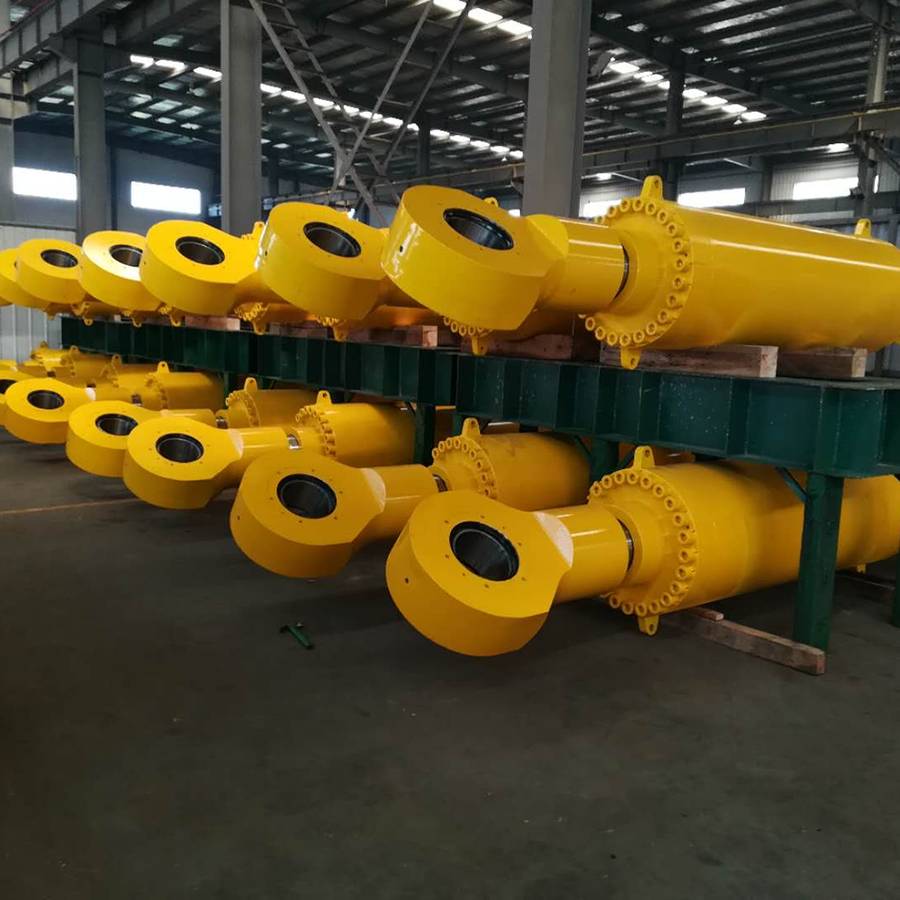
Use serial data, machine interfaces and measured condition to avoid repeating an obsolete cylinder design.
Read more →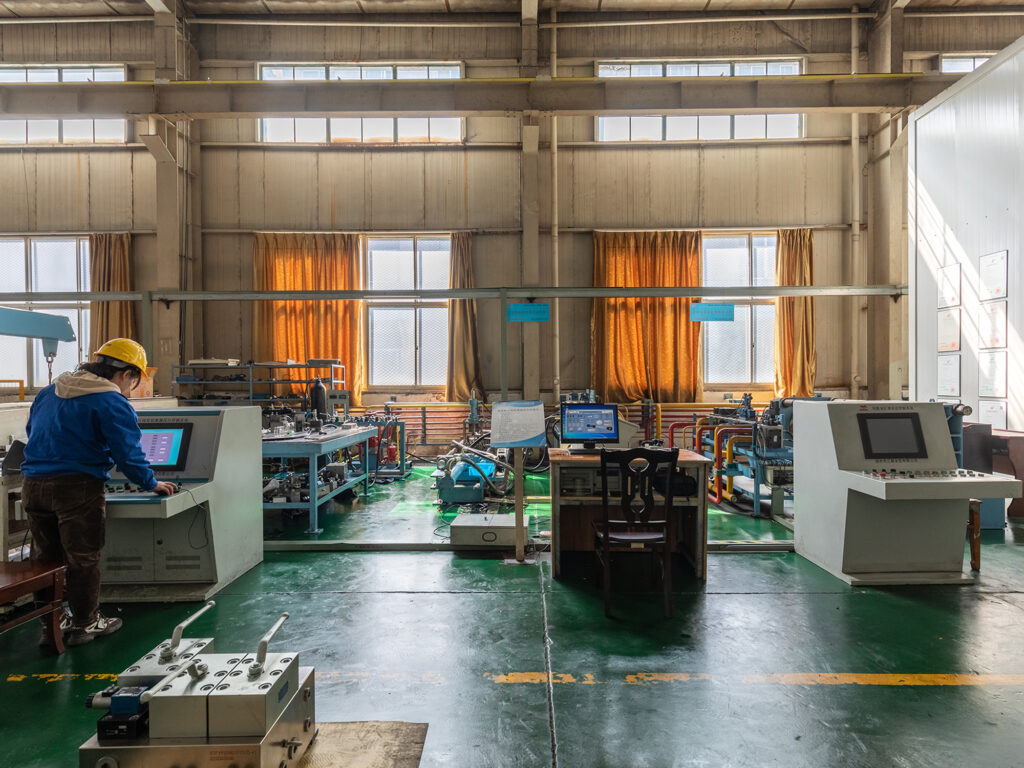
Use dynamic pressure measurements during commissioning to find valve-shift and end-stop loads missed by steady gauges.
Read more →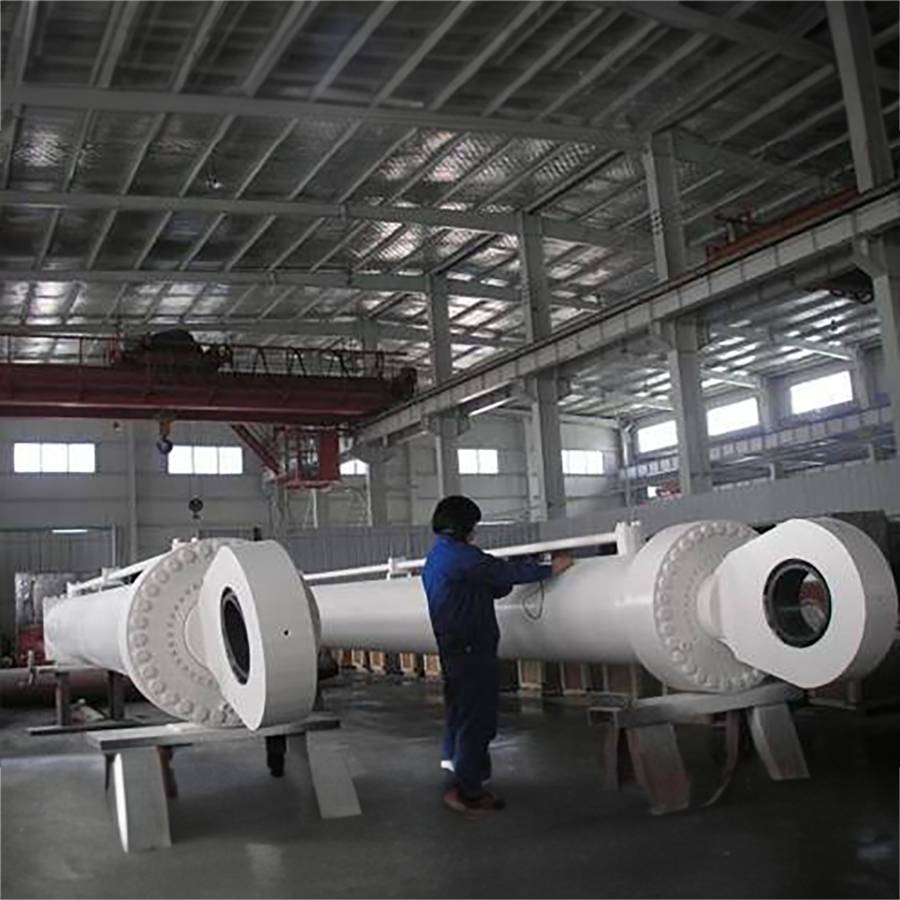
Check filter media, seals and housing compatibility when moving from mineral oil to water-glycol or other fire-resistant fluids.
Read more →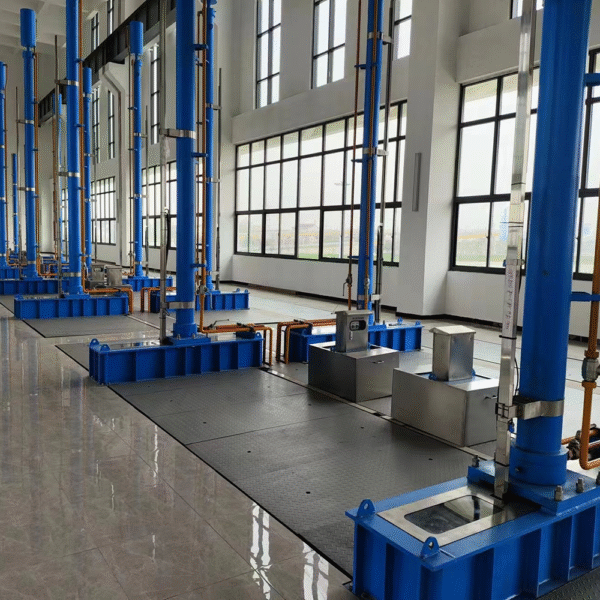
Plan a separate oil-conditioning loop around reservoir volume, contaminant source and monitoring requirements.
Read more →
Distinguish a clogged hydraulic filter from the normal pressure-drop increase caused by cold, viscous oil.
Read more →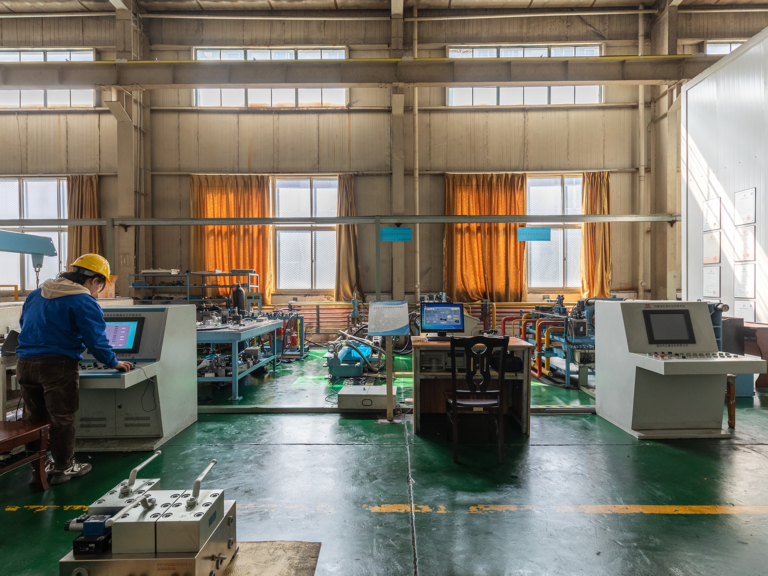
Choose repeatable oil-sampling locations and record the operating state so particle trends can be interpreted.
Read more →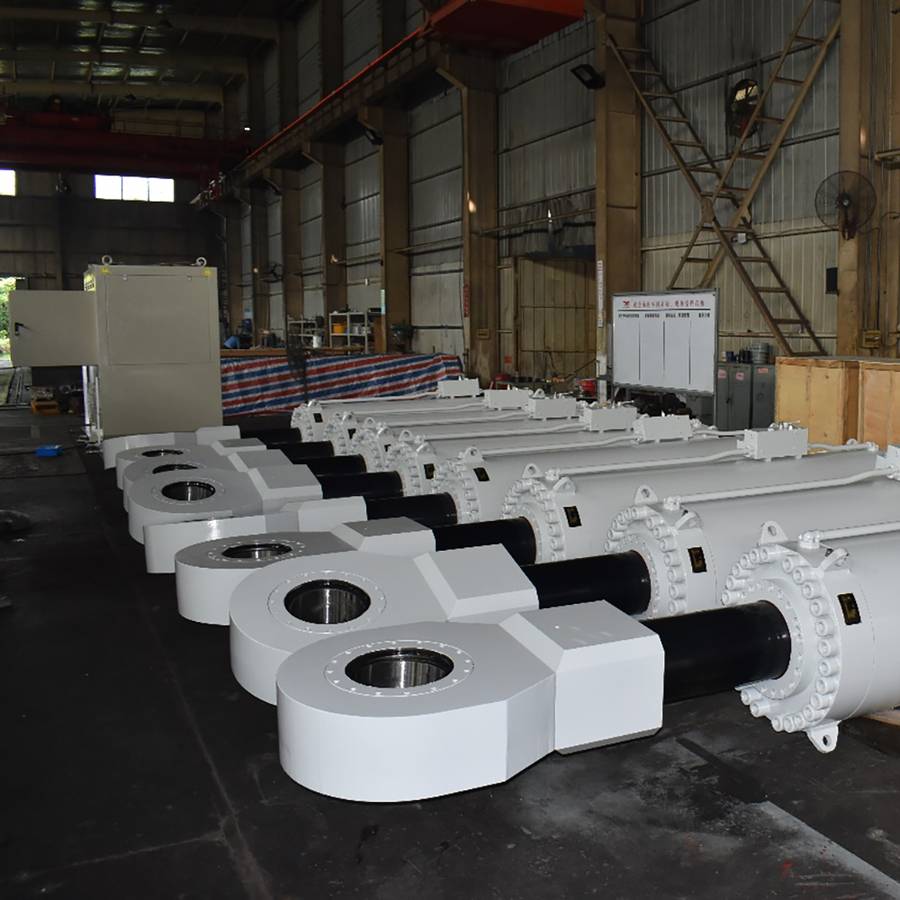
Account for cylinder area ratio when sizing return lines, valves and return filters.
Read more →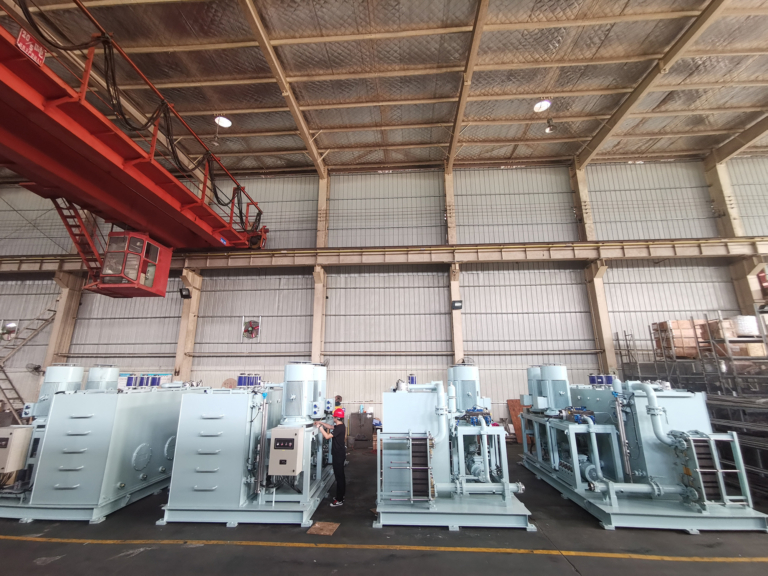
Review bypass settings, indicator locations and the risk of unfiltered flow in a hydraulic circuit.
Read more →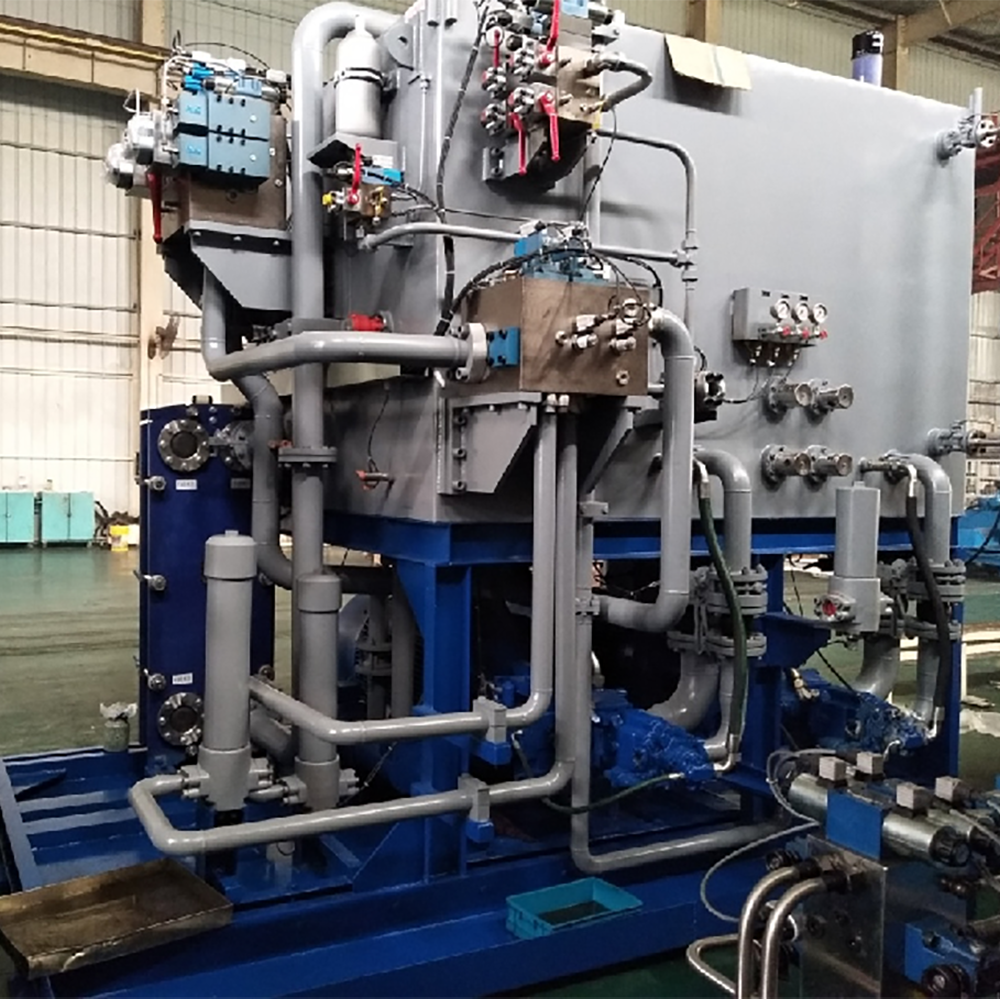
Read hydraulic filter beta ratios by particle size and compare elements using the same test basis.
Read more →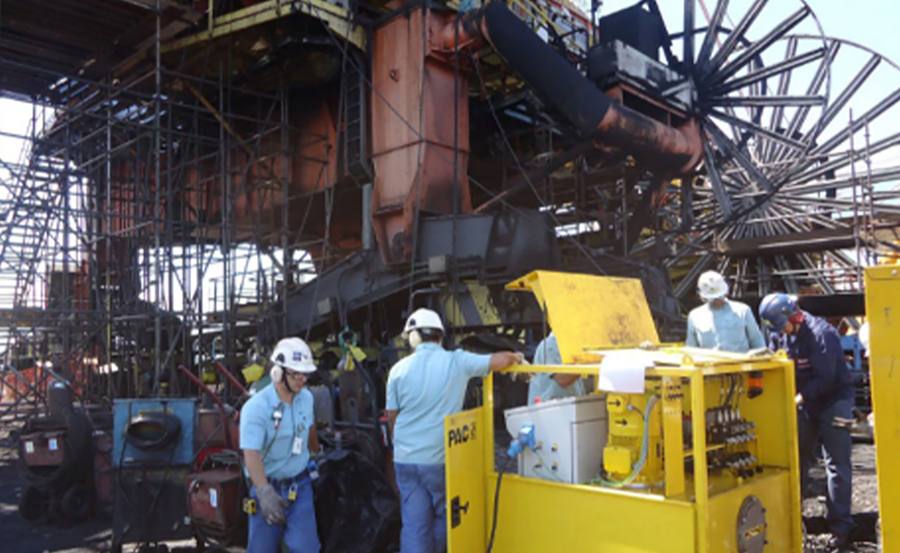
Separate operational load control from physical support during service on lifting and gate equipment.
Read more →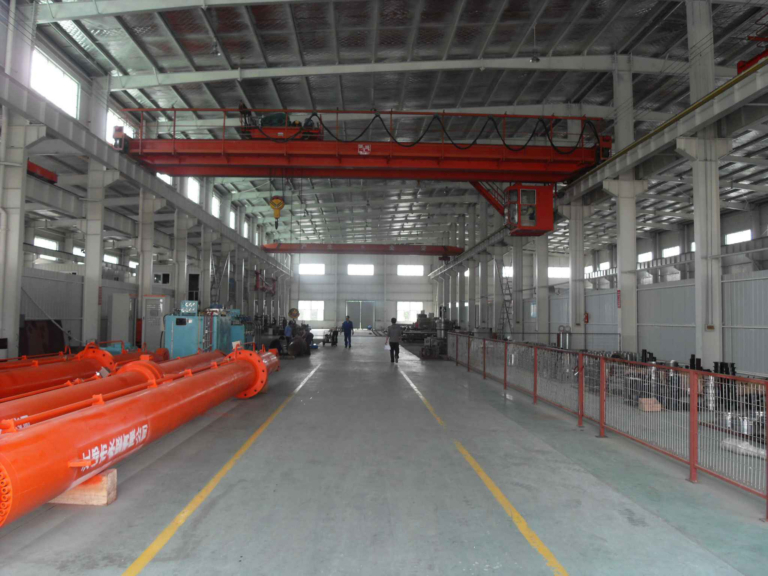
Distinguish impact-energy control inside the cylinder from the machine’s final mechanical travel limit.
Read more →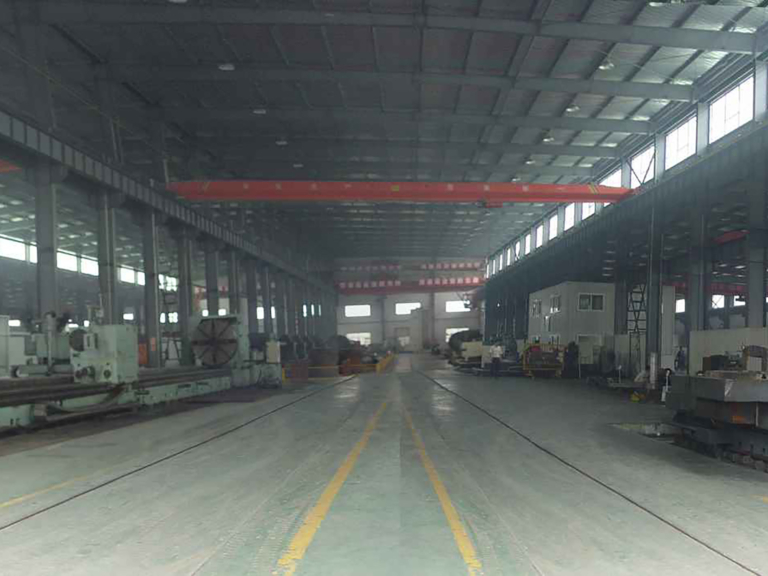
Review temperature changes in blocked cylinder chambers and specify a safe pressure-relief path where needed.
Read more →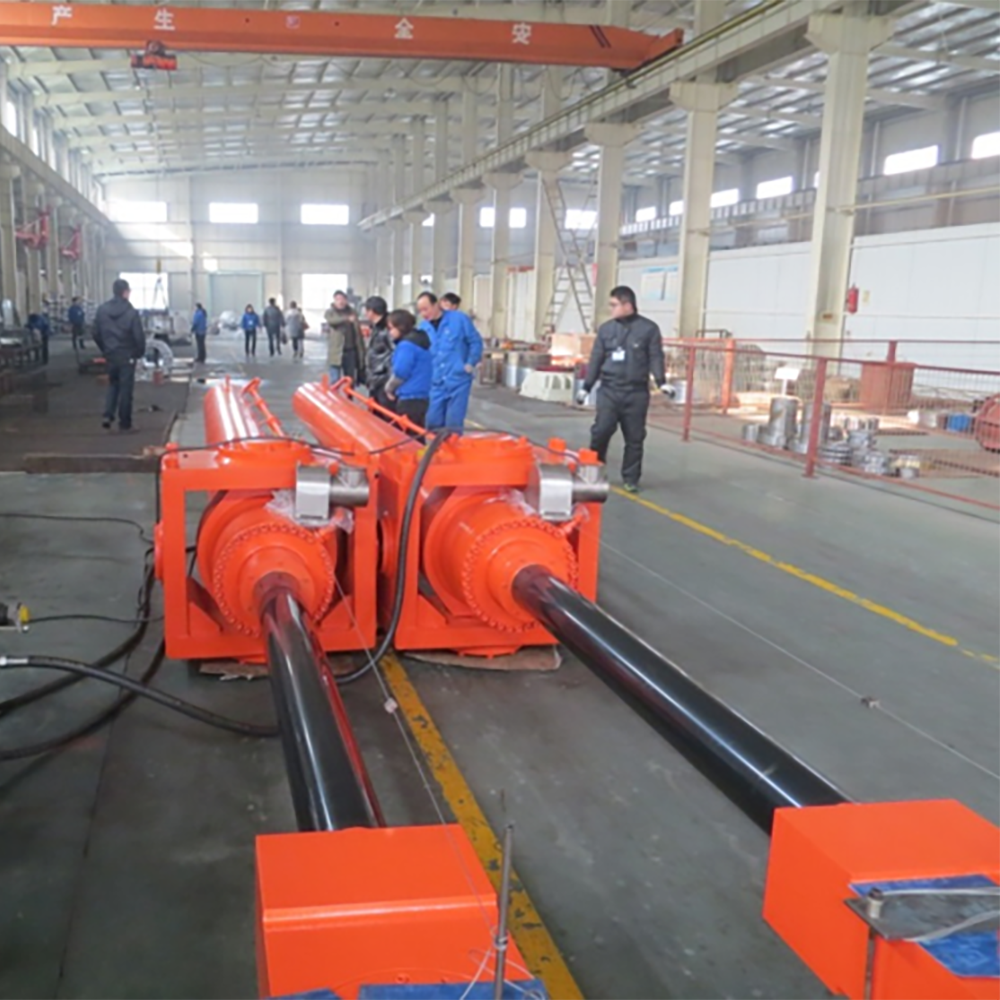
Choose rod-wiper protection based on dust, scale, mud and moisture without ignoring rod finish and seal lubrication.
Read more →
A diagnostic framework for distinguishing internal cylinder bypass from leakage elsewhere in the hydraulic circuit.
Read more →
Understand why a pump gauge can read zero while a disconnected cylinder remains pressurized, and plan safe service access.
Read more →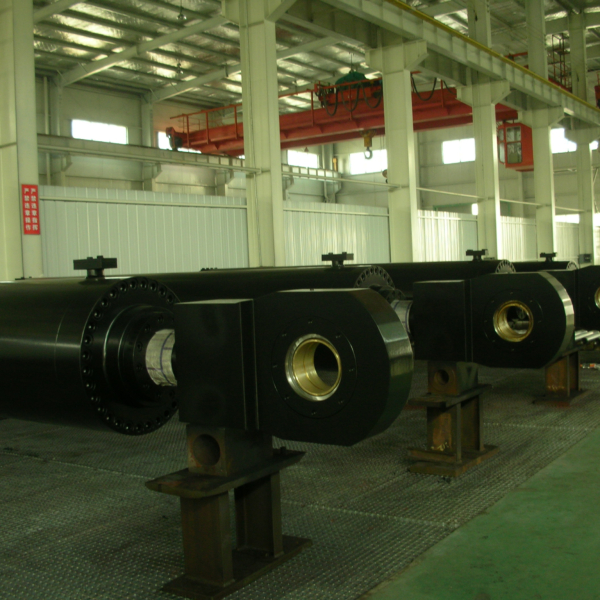
Check clevis and trunnion pin geometry, lubrication and bearing loads before commissioning a cylinder.
Read more →
Specify rod-end threads and clevis connections from the real load path, articulation and repair requirements.
Read more →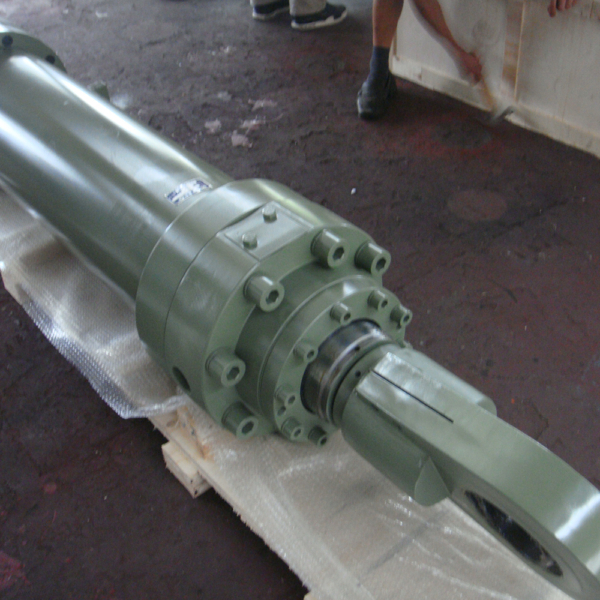
Review long horizontal cylinders for rod deflection, guide wear and mounting clearance throughout the stroke.
Read more →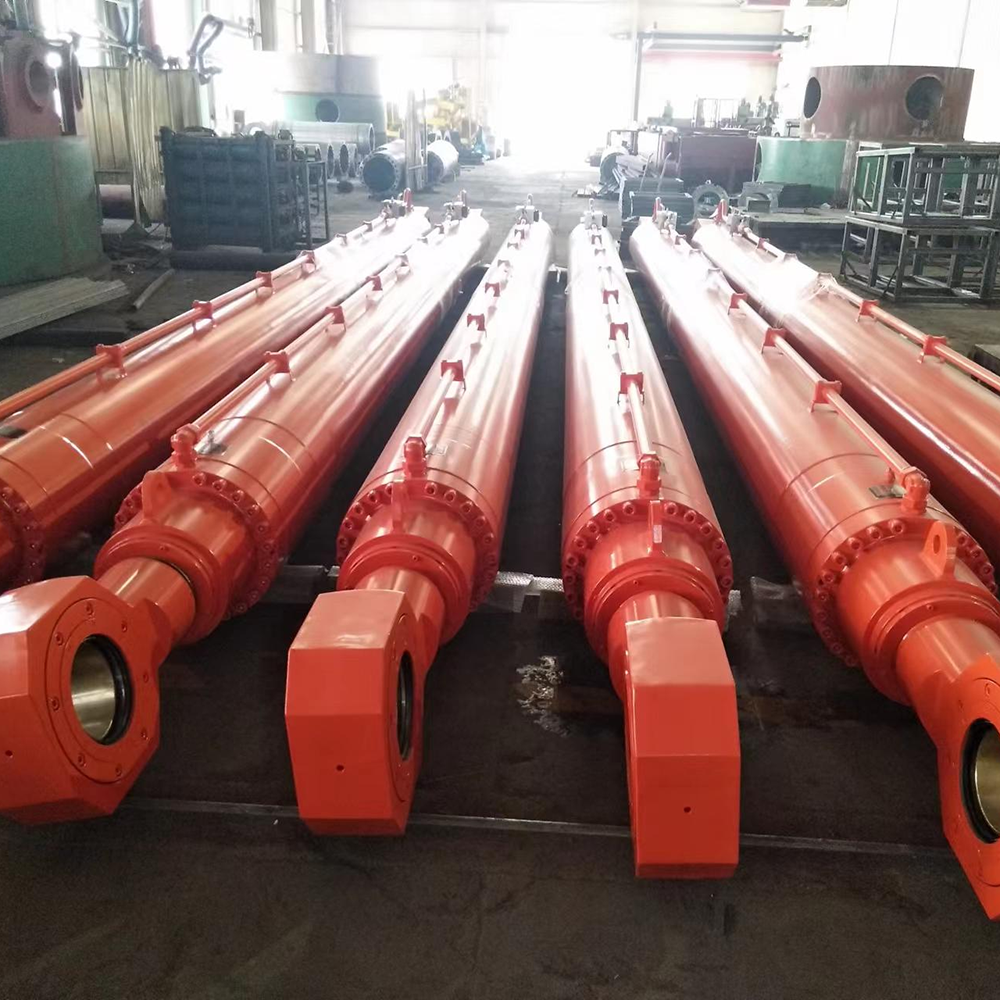
Understand how a stop tube changes bearing spacing in a long-stroke cylinder and what dimensions to request before selection.
Read more →Contact our engineering team for technical clarification related to hydraulic cylinders, systems, steel structures, testing, or project delivery.