

Oil Condition Monitoring
Click an image to view a larger preview.
HYDRAULIC CYLINDERS
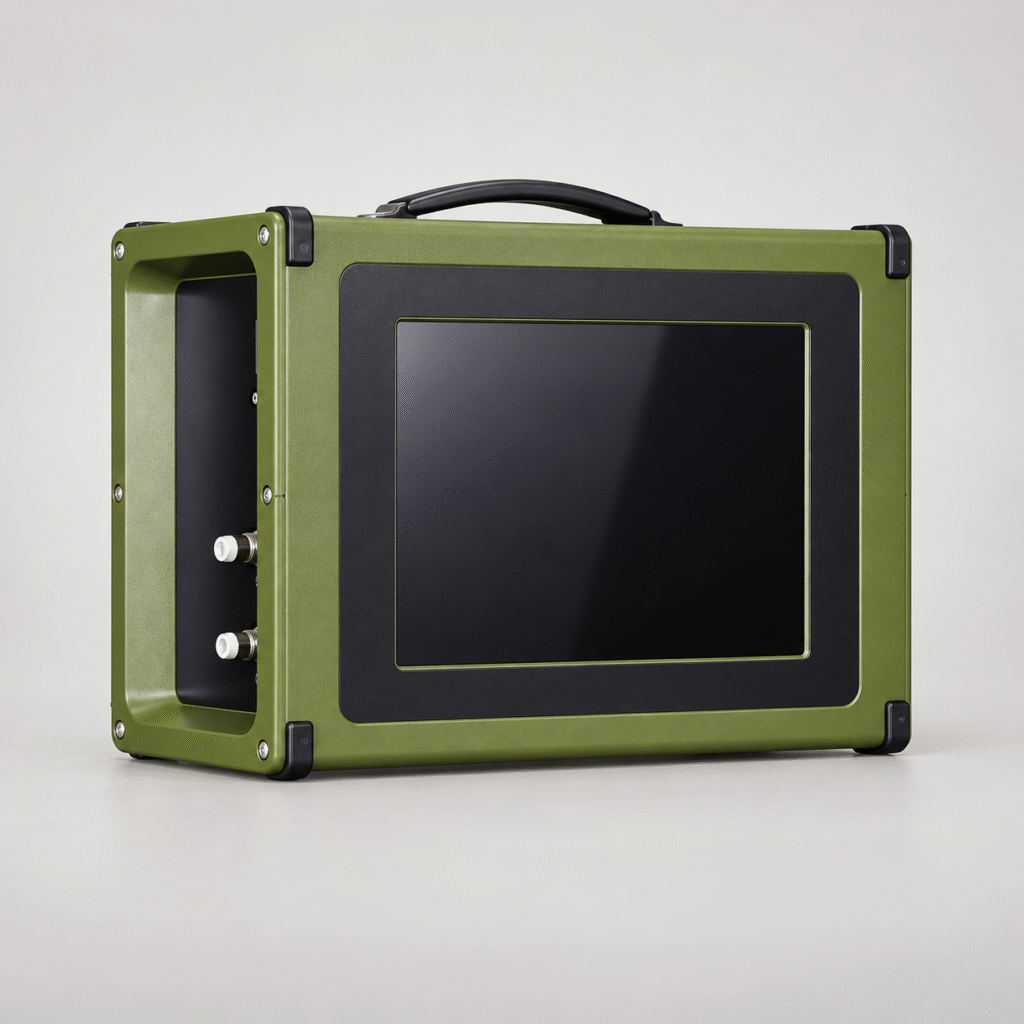
Product Overview The Oil Debris Detection Instrument & Comprehensive Analysis System is designed for accurate monitoring and analysis of wear particles in lubricating oil. It ensures reliable detecti
For drawings or project requirements: wenyanchen778@gmail.com
Enhanced product illustration based on the original photograph. Final configuration should be confirmed from current drawings; the original photograph remains in the gallery.
Product Overview The Oil Debris Detection Instrument & Comprehensive Analysis System is designed for accurate monitoring and analysis of wear particles in lubricating oil. It ensures reliable detecti
Debris analysis is most useful when it distinguishes a developing wear trend from background particles and recent maintenance contamination. Its interpretation should be linked to the machine, sampling position, and operating hours.
Document sample-line routing, temperature and pressure limits, particle capture or sensor method, and any required cleaning interval. Establish a baseline after commissioning or oil replacement. An abnormal debris trend should trigger inspection of filters, bearings, pumps, or other relevant components, not an automatic conclusion about a single failure.
Specify fluid, machine type, sample frequency, particle reporting needs, interfaces to plant data systems, and whether a laboratory confirmation process is required. Validate the proposed measurement range and repeatability from the approved instrument documentation.
Product configuration and performance are confirmed from approved project drawings; this section is application guidance.
Final technical parameters are confirmed after drawing review and operating-condition evaluation.
ENGINEERING FEATURES
TYPICAL APPLICATIONS
Yongjian supports equipment manufacturers, engineering contractors and industrial project teams with customized hydraulic cylinders for lifting, positioning and load-control functions.

CUSTOM PROJECT PROCESS
Our engineers coordinate technical review, manufacturing, inspection and delivery support around the requirements of each hydraulic project.
Confirm load, stroke, speed, environment, standards and interface requirements.
Complete hydraulic calculations, drawings, material selection and design review.
Machine, weld, heat treat, coat and assemble under documented quality controls.
Perform dimensional inspection, pressure testing, leakage testing and functional verification.
Issue inspection records, certificates, packing documents and shipment protection.
RELATED PRODUCTS
Oil Condition Monitoring

Oil Condition Monitoring

Oil Condition Monitoring
PRODUCT FAQ
Technical parameters are confirmed according to equipment drawings, load conditions and installation requirements.
Yes. We review drawings, operating conditions, standards and interfaces before confirming the manufacturing route.
Provide bore, rod diameter, stroke, pressure, load, speed, mounting, environment, quantity and drawings when available.
Yes. The scope can include pumps, valves, tanks, cooling, filtration, controls, sensors and commissioning support.
Materials and surface protection are selected according to load, corrosion, temperature, wear and specified project standards.
Test procedures can include proof pressure, leakage, movement, cushioning and functional checks according to the agreed inspection plan.
Third-party or customer inspection points can be incorporated into the agreed quality plan.
The scope may include drawings, material certificates, dimensional reports, welding records, coating records and test reports.
Packing and preservation are selected according to product size, transport mode, storage period and destination conditions.
REQUEST A QUOTE
Share your application data or drawings for an engineering review.
Share your application data or drawings for an engineering review.